Menù
How the Intangible Bonds in Festive Landscapes project came about
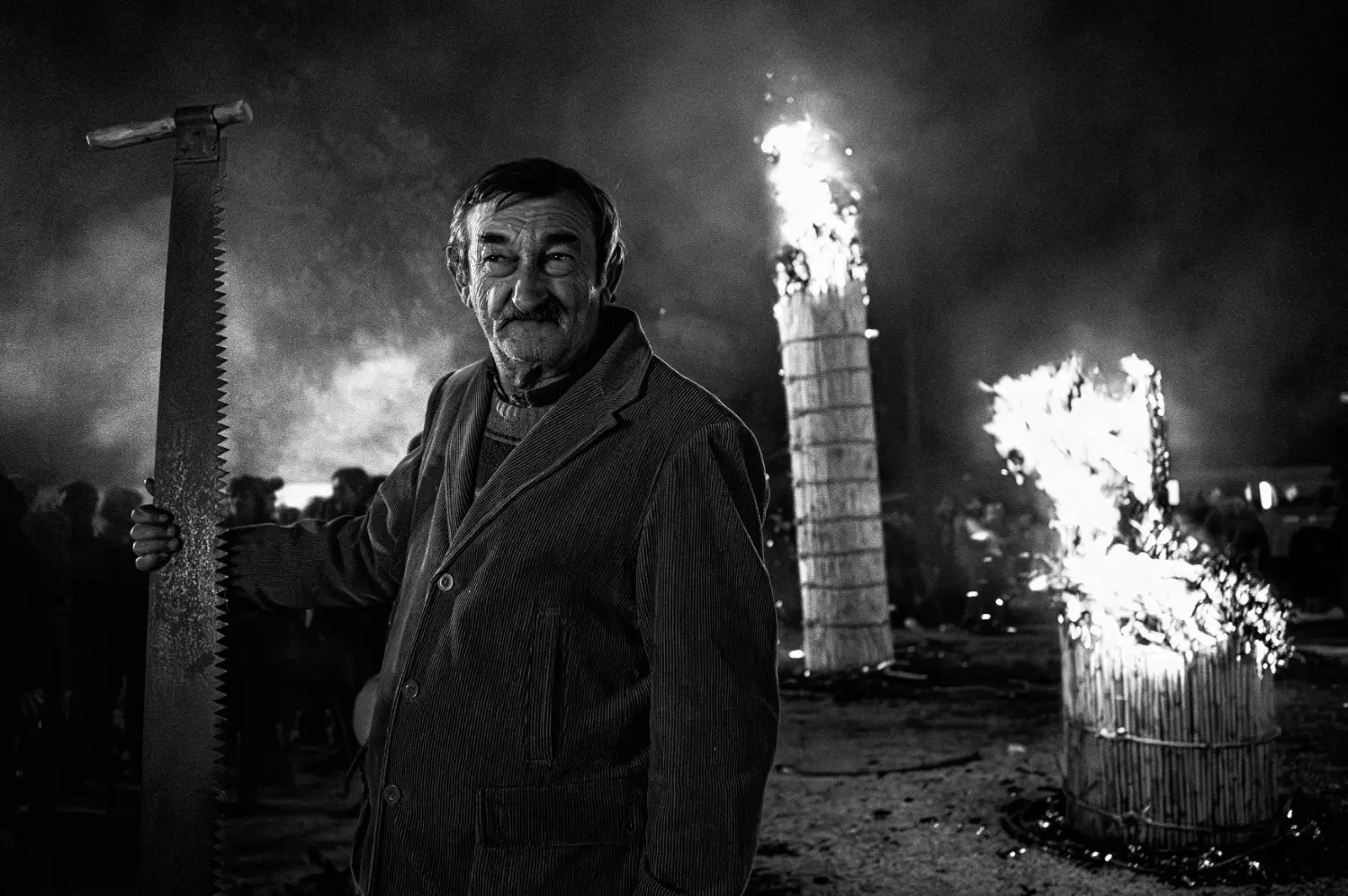
The project is the result of discussions, negotiations and cooperation between a range of local social groups, associations, and administrations, working in close collaboration with Ministry of Culture regional offices. The project provided an unprecedented opportunity to combine research, ethnographic studies and cultural heritage preservation efforts. Intangible Bonds in Festive Landscapes explores celebrations throughout the territory of Italy. The 28 photographic reportages were entrusted to photographers with a profound understanding of intangible heritage, an appreciation of ethnographic research methods, and expertise in innovative visual languages.
This visual documentation was conceived and carried out by the Central Institute for Intangible Heritage with the support of Strategia Fotografia 2022, an initiative promoted by the Directorate General for Contemporary Creativity.
The 28 reportages were commissioned in order to complement the research already underway at the Institute, allowing for a reinterpretation of heritage as it relates to contemporary celebration. The results encourage an exploration of new relational geographies, presenting the concept of celebration as a shared heritage of interrelation between humans and their natural environments.
The celebrations included in the research accentuate the bonds between the environment, landscape, and human beings, emphasizing bodies and practices, and focusing on dynamics of transformation and connectivity.
The photographers – Marina Berardi, Barbara Di Maio, Francesco Faraci, Francesco Francaviglia and Fausto Podavini – undertook the task as cultural and social research. They were each able to draw on their own rich personal history of research in the fields of individual rights and the exploration of human experience. Each photographer has amassed a wealth of pertinent experience, covering life stories with a focus on creativity, migrations and global imaginations, analysing the changes and fluidities that characterize contemporary local cultural landscapes.
The process of travelling to each individual territory to take the photographs provided a valuable opportunity to build relationships with local individuals and groups. Establishing, and eventually renewing these dialogues triggered valuable processes of ethnographic exchange that were destined to endure over time.
Exploring the re-signification of these festive spaces, which become truly temporary landscapes, was a fascinating experience. The celebrations themselves manifest the intricate relationship between humans and their territories, both as they really are and as they can be imagined to be, in a constantly evolving collective dimension.